In Singapore homes, not every surface should be cleaned in the same way. A method that works well on ceramic tiles may damage timber, while a product suitable for stainless steel may leave streaks on glass or marks on natural stone. Understanding these differences helps households keep their spaces looking neat while avoiding unnecessary wear. Whether you live in an HDB flat, condominium or landed home, knowing how each surface responds to moisture, friction and cleaning agents is a practical part of home upkeep.
Why surface-specific cleaning matters in Singapore homes
Singapore homes face a mix of dust, humidity, cooking residue and frequent foot traffic. That means surfaces are cleaned often, but frequency alone is not enough. The important question is how each surface should be cleaned. Using too much water on a porous material, for instance, can leave lingering dampness, while abrasive tools can scratch delicate finishes.
Surface-specific care also supports more consistent results for weekly cleaning or part time cleaner arrangements. A helper or cleaner who understands which surfaces need gentler handling can work more efficiently and avoid accidental damage. This is especially useful in homes with a combination of flooring, cabinetry, glass partitions, stone counters and upholstered furniture.
Tile and ceramic surfaces need controlled moisture
Tiles are common in Singapore kitchens, bathrooms and some living areas because they are generally practical and easy to maintain. Ceramic and porcelain tiles can usually be cleaned with a damp mop, mild detergent and routine wiping. The grout between tiles, however, often needs more attention because it traps residue and can discolour over time.
For tiled surfaces, it is best to avoid overly harsh scrubbing unless necessary. Excessive force may wear down grout or make surfaces appear dull. In wet areas, it is also wise to dry the floor afterwards where possible, especially near entrances and bathrooms, to reduce slipperiness and maintain a tidy appearance.
Timber, parquet and laminate floors require a gentler approach
Wood-based flooring needs more care than hard tile. Parquet and timber surfaces can react badly to excess water, which may cause swelling, lifting or a patchy finish. Laminate is also best cleaned with only light moisture, since repeated soaking can affect the protective layer and joints.
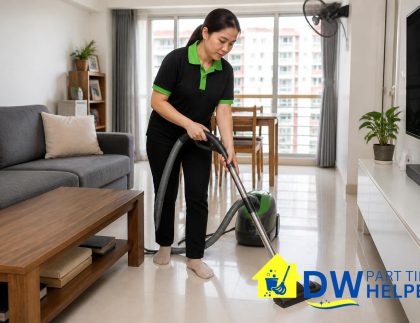
For these floors, a lightly damp mop or microfibre cloth is usually safer than a wet mop. Spills should be wiped up promptly, and vacuuming or sweeping should be done before mopping to reduce grit that can cause scratches. In homes with regular housekeeping support, it is useful to flag timber floors clearly so the cleaning method remains consistent from visit to visit.
Natural stone surfaces need pH-aware cleaning
Marble, granite, travertine and other natural stone surfaces are found in many Singapore kitchens, bathrooms and feature areas. These materials often look elegant, but they are not all cleaned the same way. Some stones are sensitive to acidic products such as vinegar or lemon-based cleaners, which can dull the finish or create marks.
A mild, stone-safe cleaner is generally more suitable, together with soft cloths or non-abrasive pads. Countertops and wall cladding should also be wiped carefully rather than scrubbed heavily. If a home has stone flooring or counters, it is sensible to keep cleaning supplies clearly labelled so the wrong product is not used by mistake.
Glass, mirrors and glossy surfaces show streaks easily
Glass panels, mirrors and glossy cabinet fronts look clean only when the finish is even. These surfaces are prone to visible streaking, especially if too much product is used or if the cloth leaves lint behind. A small amount of glass cleaner, paired with a clean microfibre cloth, is usually enough for day-to-day maintenance.
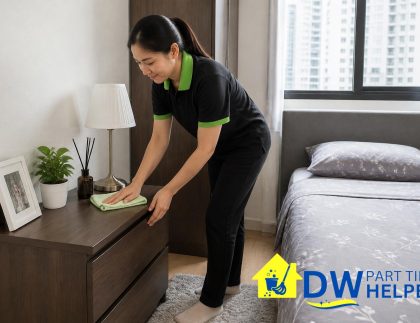
For glossy laminates and reflective surfaces, avoid abrasive sponges and strong scouring powders. These can cloud the finish or create fine marks that are difficult to reverse. In many Singapore homes, these surfaces benefit from final wiping after dusting, so fingerprints and smudges do not build up around switches, vanity areas and kitchen cabinets.
Stainless steel and metal fixtures need wiping, not soaking
Stainless steel appliances, taps and fittings are common in modern kitchens and bathrooms. They are usually best cleaned with a damp cloth and then dried to minimise water spots. Using too much liquid can leave marks, and overly aggressive scrubbing may alter the polished appearance.
When cleaning fridges, hobs or range hood exteriors, it helps to wipe in the direction of the grain where visible. This can reduce streaking and create a more uniform look. For households using part time cleaning services, metal fixtures are worth including in the regular scope because they can quickly make a space look either well-kept or neglected.
Upholstery, mattresses and soft furnishings need low-moisture care
Soft surfaces absorb dust, moisture and everyday use differently from hard flooring. Sofas, fabric dining chairs and mattresses should not be treated with the same routine as tiled or vinyl surfaces. Over-wetting upholstery can leave it damp for too long, which is inconvenient in Singapore’s humid climate and may affect the feel of the fabric.
Routine care usually involves vacuuming, spot attention where appropriate and using suitable fabric-safe methods. Mattress cleaning and sofa cleaning may require more specialised treatment depending on the material and condition. For households with children, pets or frequent guests, soft furnishings often need a separate cleaning plan rather than being bundled into general dusting alone.
Windows, tracks and balcony glass benefit from a structured method
Window cleaning in Singapore homes is not just about the glass itself. Tracks, frames and corners often collect dust, insect debris and moisture residue. Sliding windows in flats and condominiums can become difficult to move smoothly if these areas are ignored. A structured approach usually starts with dry dust removal before any wet wiping takes place.
External-facing glass and balcony areas may require more careful planning because access, safety and surrounding surfaces matter. It is better to clean these areas methodically than to use excessive water, which may drip onto floors or neighbouring fixtures. For households booking one-time or deep cleaning, windows are often included because they visibly affect the overall brightness of the home.
Kitchen and bathroom surfaces need different treatment from living areas
Kitchens and bathrooms often need more targeted cleaning than bedrooms or living rooms. Kitchen worktops, splashbacks and sink areas are exposed to grease and food residue, so they usually need a cleaner that can break down everyday buildup without damaging the finish. Bathroom sinks, taps, shower screens and wall surfaces often deal more with soap residue and water marks.
Because of this difference, the same cloth or cleaner should not always be used across every room. A cleaner may move from dusting in the bedroom to degreasing the kitchen, then to wiping mineral marks in the bathroom. Keeping these zones separate helps maintain both hygiene and surface condition, particularly in compact Singapore homes where each area sees frequent use.
How to match the cleaning method to each surface
A practical home cleaning routine works best when the surface type is identified first, then the method is chosen. A simple approach is to think in terms of three factors: how absorbent the material is, how easily it scratches, and whether the finish reacts badly to moisture or acidic products. Those factors often matter more than the room itself.
For example, a living room may contain timber flooring, a glass coffee table, a fabric sofa and painted walls. Each needs a different cleaning touch even though they sit in the same space. A flexible part time maid service or weekly maid service can be particularly useful when the household needs consistent handling across different finishes.
If you would like help planning the right cleaning scope for your home surfaces, you may WhatsApp DW Part Time Helper Singapore to discuss a suitable part time helper, cleaner, maid or cleaning arrangement and request a quotation based on your property type, preferred frequency, schedule and any specialist cleaning needs.
Conclusion
Different surfaces in Singapore homes require different cleaning methods because each material reacts differently to water, products and friction. Tiles, timber, stone, glass, metal, upholstery and bathroom or kitchen finishes all need their own approach. When the cleaning method matches the surface, households can keep their homes looking well cared for while reducing the risk of unnecessary wear. That is why clear routines and the right support make such a practical difference in everyday home maintenance.
Choose DW Part Time Helper Singapore
DW Part Time Helper Singapore is a reputable company based in Singapore, specializing in providing reliable and efficient home cleaning services. Given the growing demand for assistance with household chores and daily tasks, having a reliable and trustworthy part-time helper who can do one time cleaning or weekly cleaning has become essential for many individuals and families.
DW Part Time Helper Singapore understands this need and strives to connect clients with our team of skilled and experienced part time helpers, part time maids, or part time cleaners who can assist with various house cleaning tasks. Our team of dedicated part-time helpers is committed to delivering high-quality service to ensure customer satisfaction. Feel free to explore our articles, projects, and reviews for a deeper understanding of our company. If you have any questions, please don’t hesitate to contact us via WhatsApp at +65 8241 0032.
Frequently Asked Questions
Why can’t I use the same cleaner on every surface?
Different materials react differently to moisture, acidity and abrasion. A cleaner that is suitable for tiles may be too harsh for natural stone or timber, and a product that works on glass may leave residue on stainless steel. Matching the cleaner to the surface helps avoid damage and improves the finish.
What surfaces in Singapore homes need the most care?
Timber flooring, natural stone, upholstery and glossy finishes often need the most careful handling. These materials can be affected by too much water, strong chemicals or abrasive tools. Kitchens and bathrooms also need tailored methods because of grease, soap residue and moisture.
How can a part time cleaner help with different surfaces?
A part time cleaner can follow a surface-specific cleaning plan, using suitable tools and methods for each area of the home. This is helpful for households that want regular support without risking damage to delicate finishes, especially when the home has mixed flooring, stone counters, glass features and soft furnishings.