Singapore’s warm, damp weather changes the way a home should be cleaned. In a humid climate, dust can cling more easily, fabrics may hold onto moisture, and corners that are cleaned carelessly can become stuffy or musty. The best home cleaning methods are therefore not just about making a space look neat for a day; they should also help homes stay fresher, drier and easier to maintain between visits.
Why humidity changes your cleaning priorities
Humidity affects how dirt behaves indoors. Moisture in the air can make surfaces feel tacky, encourage condensation on windows, and slow the drying of mopped floors, cloths and upholstery. If cleaning is done with too much water, the home may feel clean initially but remain damp for longer than is ideal.
For Singapore households, this means the most effective methods tend to focus on controlled moisture, good ventilation and regular upkeep. Whether you live in an HDB flat, condominium or landed home, the aim is to clean thoroughly without leaving behind excess dampness that can affect comfort and maintenance.
Dry dusting before wet cleaning
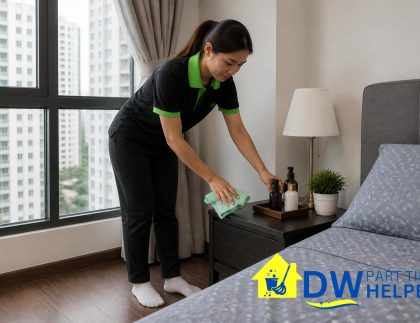
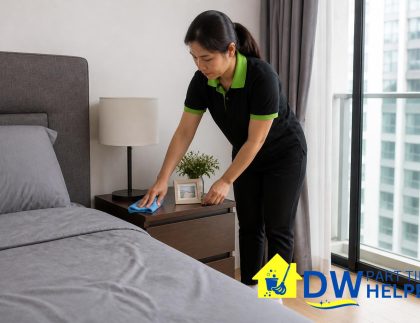
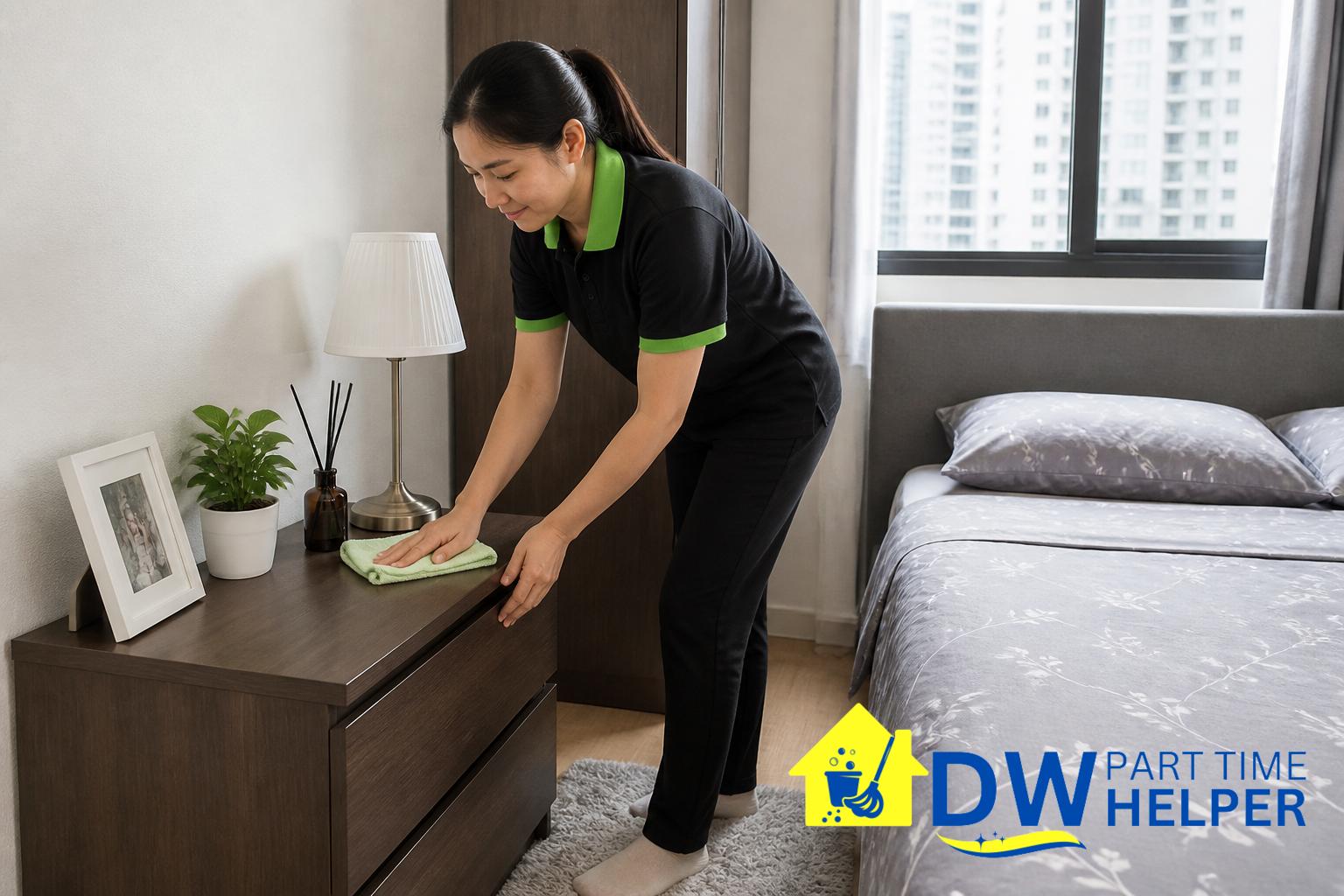
One of the most useful methods in humid homes is to start with dry removal of dust and loose debris. Dusting shelves, skirting boards, blinds and ledges before introducing any moisture helps prevent dirt from turning into a sticky layer. Microfibre cloths are especially useful because they pick up fine particles well without needing much liquid.
This approach is helpful for living rooms, bedrooms and study areas where dust settles frequently. It is also a practical way to clean electronic surfaces, decorative items and timber furniture, where too much moisture can be unhelpful. In Singapore’s climate, a dry-first method usually gives a more consistent result than wiping everything with a wet cloth straight away.
Light damp wiping instead of over-wetting
For most hard surfaces, the best method is a lightly dampened cloth rather than a soaking wet one. Kitchen counters, tables, switches and bathroom ledges can usually be cleaned effectively with a small amount of water and a suitable household cleaner. The goal is to remove grime while leaving the surface dry enough to air out quickly.
This is especially important for laminate, wood veneer and other finishes that should not be exposed to standing water. In humid weather, even a small amount of extra moisture can take longer to disappear, so using the least water needed is often the more practical choice. A well-wrung cloth and a second dry cloth for finishing can make a noticeable difference.
Vacuuming for carpets, soft furnishings and hidden dust
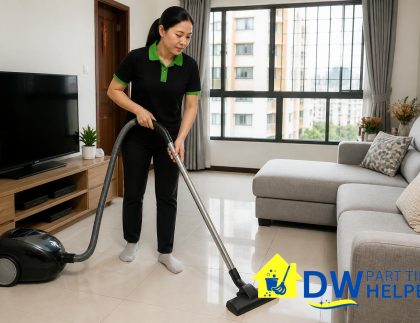
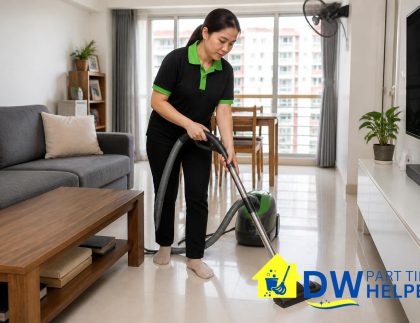
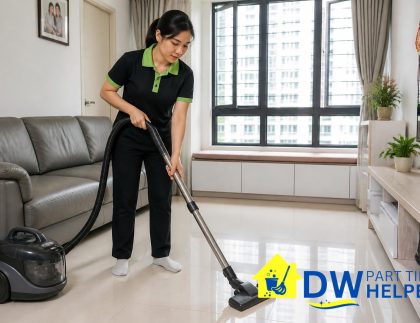
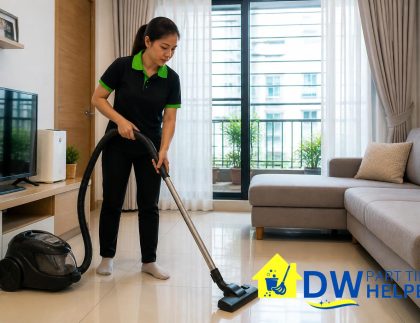
In a humid home, vacuuming is often more effective than frequent sweeping alone, particularly for carpets, rugs, sofas and mattresses. These surfaces can hold dust deep within fibres, and in a damp environment they may also feel less fresh if not cleaned regularly. A vacuum with the right attachments helps reach corners, seams and under furniture where debris collects.
For households with children, pets or frequent visitors, this method supports a more thorough routine without adding extra moisture. It is also useful for curtains and upholstered furniture, which may benefit from careful vacuuming as part of regular home cleaning services. Where deeper fabric care is needed, steam or specialist upholstery cleaning may be considered separately, but vacuuming remains the most practical routine step.
Cleaning bathrooms with ventilation in mind
Bathrooms need particular attention in Singapore because they naturally hold more moisture than other parts of the home. The most effective cleaning method is to clean surfaces, rinse only where necessary and encourage airflow afterwards. Mirrors, tiles, shower screens and taps should be wiped down so water does not sit on the surface for too long.
Opening windows, switching on exhaust fans and wiping excess water from floors and fixtures all help the room dry more quickly. For routine housekeeping, this is often more useful than relying on strong chemicals alone. Cleaners and helpers who understand how to manage bathroom moisture can reduce the chances of the room feeling damp or stale after cleaning.
Floor care that suits Singapore homes
Floor cleaning in humid weather should balance cleanliness with fast drying. For tiled floors, vinyl and sealed surfaces, mopping with a well-wrung mop is usually the best method. Using too much water can leave streaks, slow drying and make the floor feel uncomfortable underfoot. In smaller apartments especially, quick-drying floor care is a practical priority.
For homes with timber or parquet flooring, the method should be even more careful. A slightly damp mop, not a wet one, is generally safer for regular upkeep. Homeowners who want a deeper finish may look at specialist floor polishing or parquet care, but for normal weekly house cleaning, the emphasis should be on gentle cleaning and proper drying.
Kitchen cleaning that prevents sticky residue
Kitchens in humid homes can attract grease and moisture at the same time, so the best cleaning method is one that removes residue without spreading it around. Wiping cooking surfaces soon after use, degreasing worktops carefully and drying sinks and taps after cleaning are all practical habits. This helps reduce the sticky feel that can build up quickly in a warm kitchen.
Cabinet handles, splashbacks and appliance exteriors also benefit from regular light cleaning. In Singapore households, kitchens often work harder because of frequent cooking, so consistency matters more than occasional intensive scrubbing. A part time cleaner or part time helper can usually manage these routine tasks well as part of weekly cleaning support.
How often to clean in a humid climate
Frequency matters just as much as method. In Singapore, homes often stay in better condition when cleaning is done more regularly rather than left for long gaps. Light weekly cleaning helps prevent dust, moisture and general buildup from becoming harder to manage later. For busy families and working professionals, this can be more practical than trying to do everything in one large session.
High-use areas such as bathrooms, kitchens, floors and shared living spaces usually need more attention than rooms used less often. If a home tends to feel stuffy or collects dust quickly, it may be worth adjusting the cleaning schedule so that the environment stays more comfortable between visits.
If you would like help choosing a suitable cleaning arrangement for your home, you may WhatsApp DW Part Time Helper Singapore to discuss the property type, cleaning scope, preferred frequency and any special requirements before requesting a quotation.
Conclusion
The best home cleaning methods in Singapore’s humid climate are the ones that control moisture, support airflow and fit the way local homes are used. Dry dusting, light damp wiping, careful vacuuming, sensible bathroom cleaning and fast-drying floor care all work well because they clean effectively without leaving excess dampness behind. For most households, consistency is more valuable than overly heavy cleaning.
When a routine is matched to the home’s surfaces, layout and schedule, it becomes easier to keep the space fresh and manageable throughout the week. That is why many Singapore homeowners, tenants and families choose cleaning methods that are practical, regular and suited to the climate rather than simply more intensive.
Choose DW Part Time Helper Singapore
DW Part Time Helper Singapore provides 1 stop solution for your home cleaning needs. With our reasonable and affordable prices, you can enjoy quality house cleaning services. We offer a wide range of professional part time helper services, including part time maid, part time cleaner, weekly cleaning, one time cleaning and more. If you need more information, feel free to explore our part-time helper articles and browse through our past projects for inspiration. Contact us via WhatsApp at +65 8241 0032 to book your slot!
Frequently Asked Questions
Is mopping every day a good idea in Singapore’s humid weather?
Not always. Daily mopping can be useful in some homes, but the key is to avoid using too much water. In humid weather, a well-wrung mop and proper drying are more important than mopping frequently with excess moisture.
What is the best way to keep a home feeling fresher between cleaning sessions?
Regular dust removal, good ventilation, dry bathroom surfaces and quick cleanup of kitchen spills usually help most. Keeping moisture under control tends to make a home feel fresher for longer than relying on occasional deep cleaning alone.
Should Singapore homes use steam cleaning often?
Steam cleaning can be useful for certain carpets, upholstery or specialist tasks, but it is not necessary for every routine cleaning job. For many homes, dry vacuuming, light wiping and careful floor care are enough for regular maintenance.